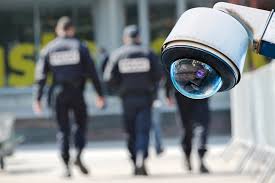
Patrolling & Surveillence
Patrolling is the physical movement of personnel to monitor an area, while surveillance is the use of technology, like camera, to monitor an area. Both are used in security to deter crime, maintain order, and detect problems, but when combined, they create a more comprehensive and layered security strategy. Patrols provide a human, on-site presence that can respond to situations and cover blind spots in camera views, while surveillance offers continuous, remote monitoring.
Patrolling refers to moving through an area at regular or irregular intervals to maintain security, prevent crime, and monitor activities.
It can be done by:
- Security guards
- Police officers
- Military personnel
- Automated systems like robots or drones
Examples of patrolling:
- Security guards walking around a mall
- Police driving through neighborhoods
- Soldiers moving along a border
- Guards checking inside a building or compound
Surveillance
As defined, Surveillance means watching or monitoring an area, people, or activities—usually using technology that doesn’t require someone to be physically present.
Types of surveillance tools:
- CCTV security cameras
- Drones
- Motion sensors
- Audio sensors
- GPS tracking
- Digital/online monitoring